Interiorarchitecture
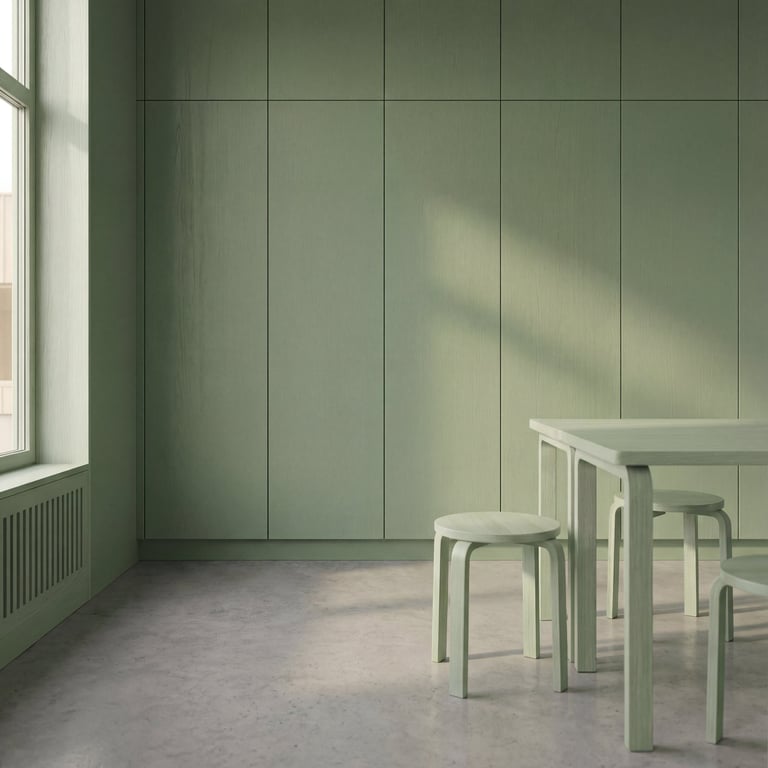
At Temple of Things, interior environments are created that are both functional and inspiring. The studio’s approach to interior architecture brings together spatial clarity, material sensibility, and a deep understanding of human experience.
The work spans residential, commercial, and cultural environments, always with a focus on usability, atmosphere, and carefully considered details. From concept development to refined layouts and bespoke built‑in solutions, interiors are shaped to support everyday life while expressing a clear identity.
Whether reworking existing environments or creating entirely new ones, the ambition is to design interiors that are thoughtful, inclusive, and sustainable over time. This is an area where the studio offers, among other things:
Feasibility studies and needs analyses
Operational dialogues and requirements structuring
Space and room function programmes
Spatial and interior design concepts
Material and colour specifications
Bespoke joinery and detailed design
Furniture planning, tender documentation (FFU), and procurement
System design and construction documents
Coordination and follow‑up during implementation
Selected projects
Enköpings New City Hall
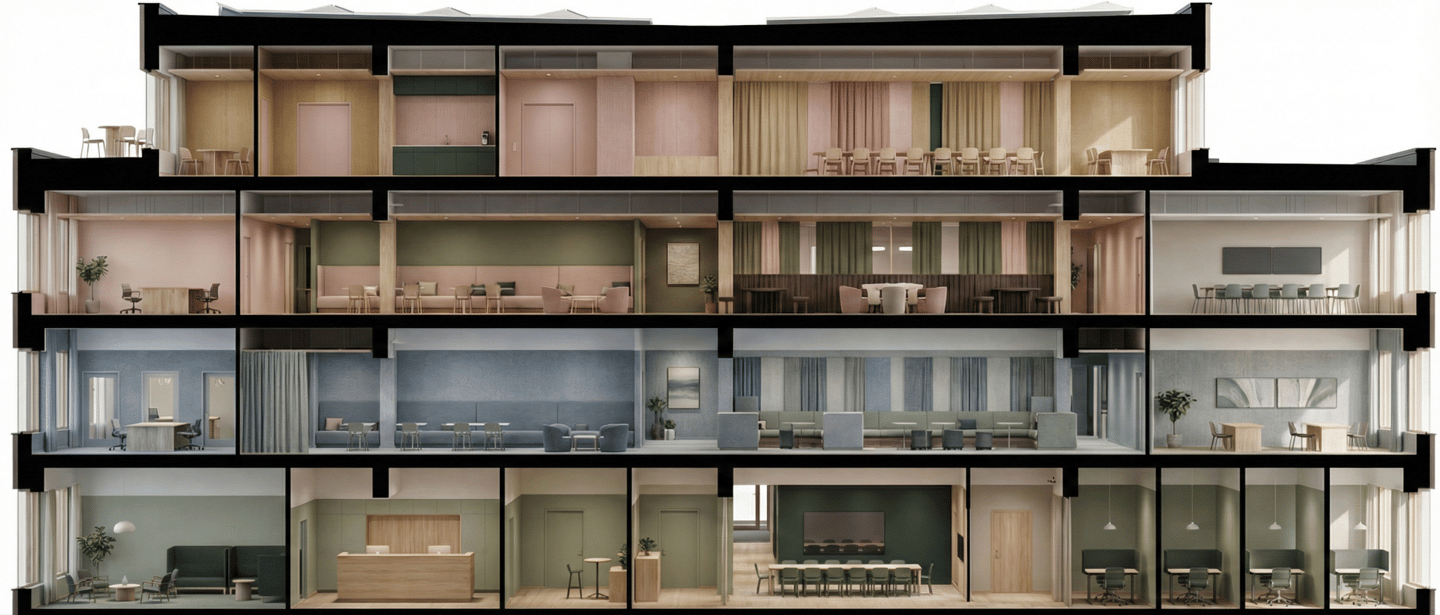
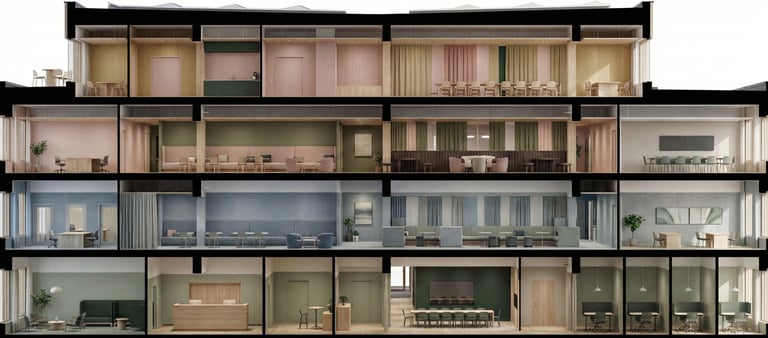
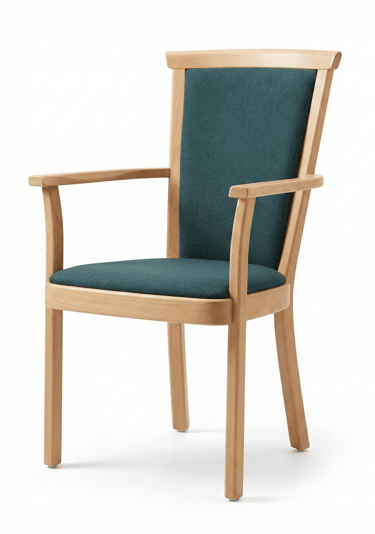
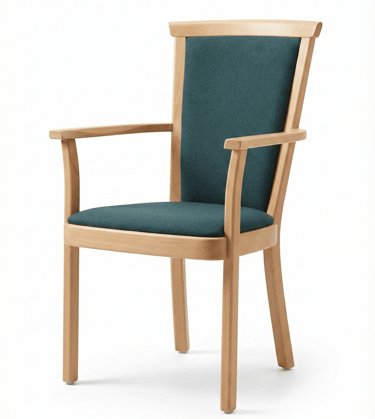
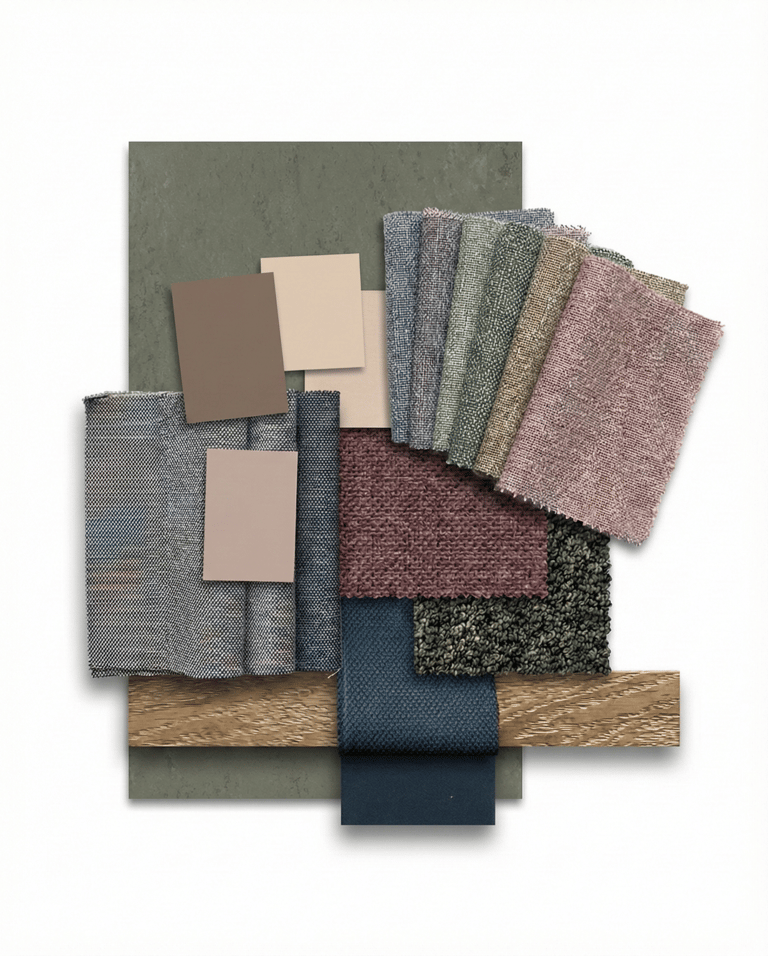
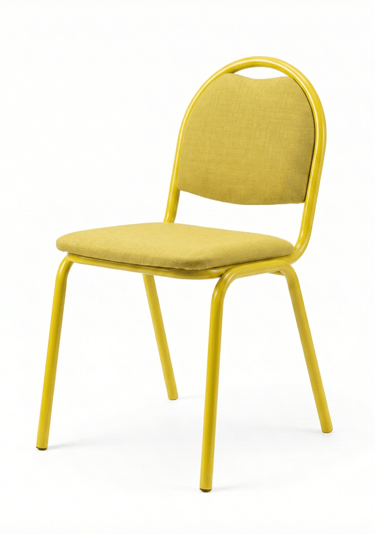
Enköping’s New City Hall is a new‑build project with high ambitions in sustainability, functionality, and long‑term quality. The assignment included the complete interior design, ranging from colour and material concepts to fixed and loose furnishings, with a particular focus on reuse.
The work was carried out in close dialogue with the municipality through workshops and coordinated processes, with the aim of establishing a shared understanding of function, ergonomics, and aesthetics. A key objective was to reuse 30% of the existing furniture; this target was exceeded, resulting in approximately 70% reuse. The design concept was inspired by Enköping’s parks and translated into a colour and material palette that gives each floor a distinct identity and supports orientation.
The project demonstrates how structured reuse, careful inventory, and collaboration between architecture, interior design, and operations can contribute to both economic savings and a more sustainable public environment.
(Project carried out during employment at Norconsult.)
Vättern school, Municipality of Motala
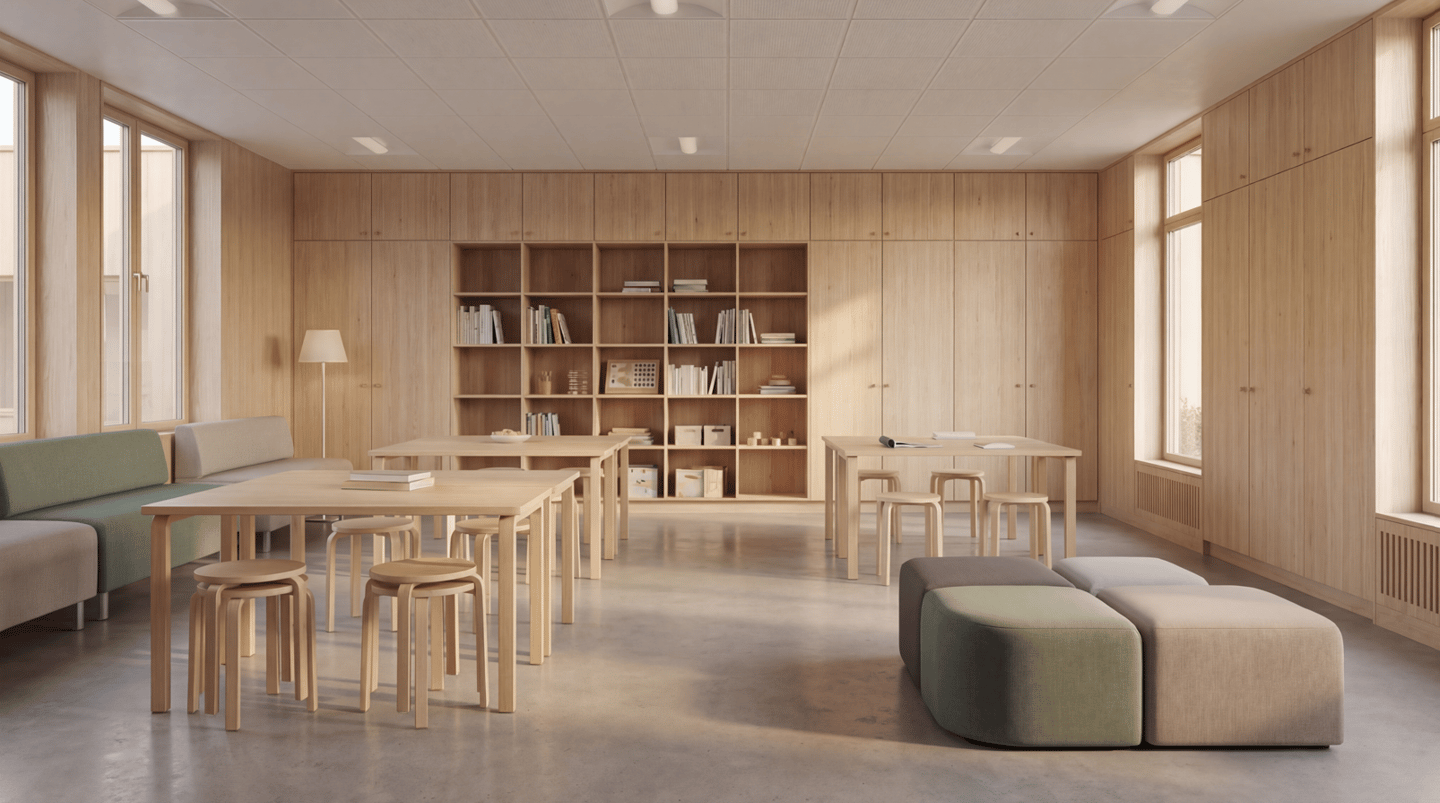
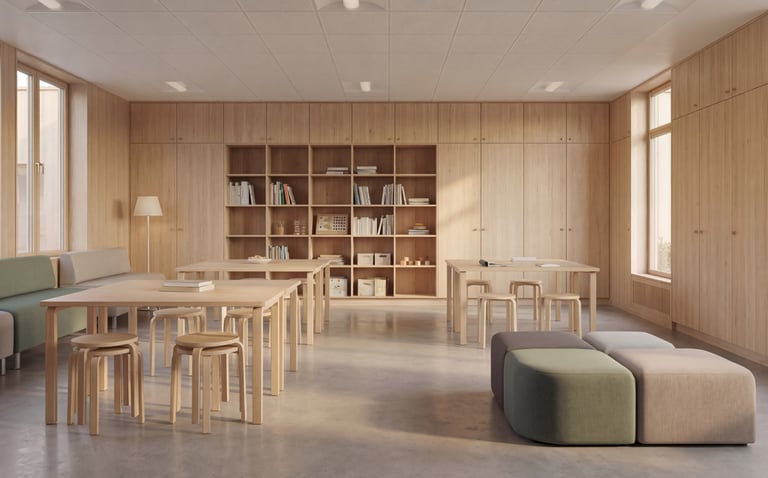
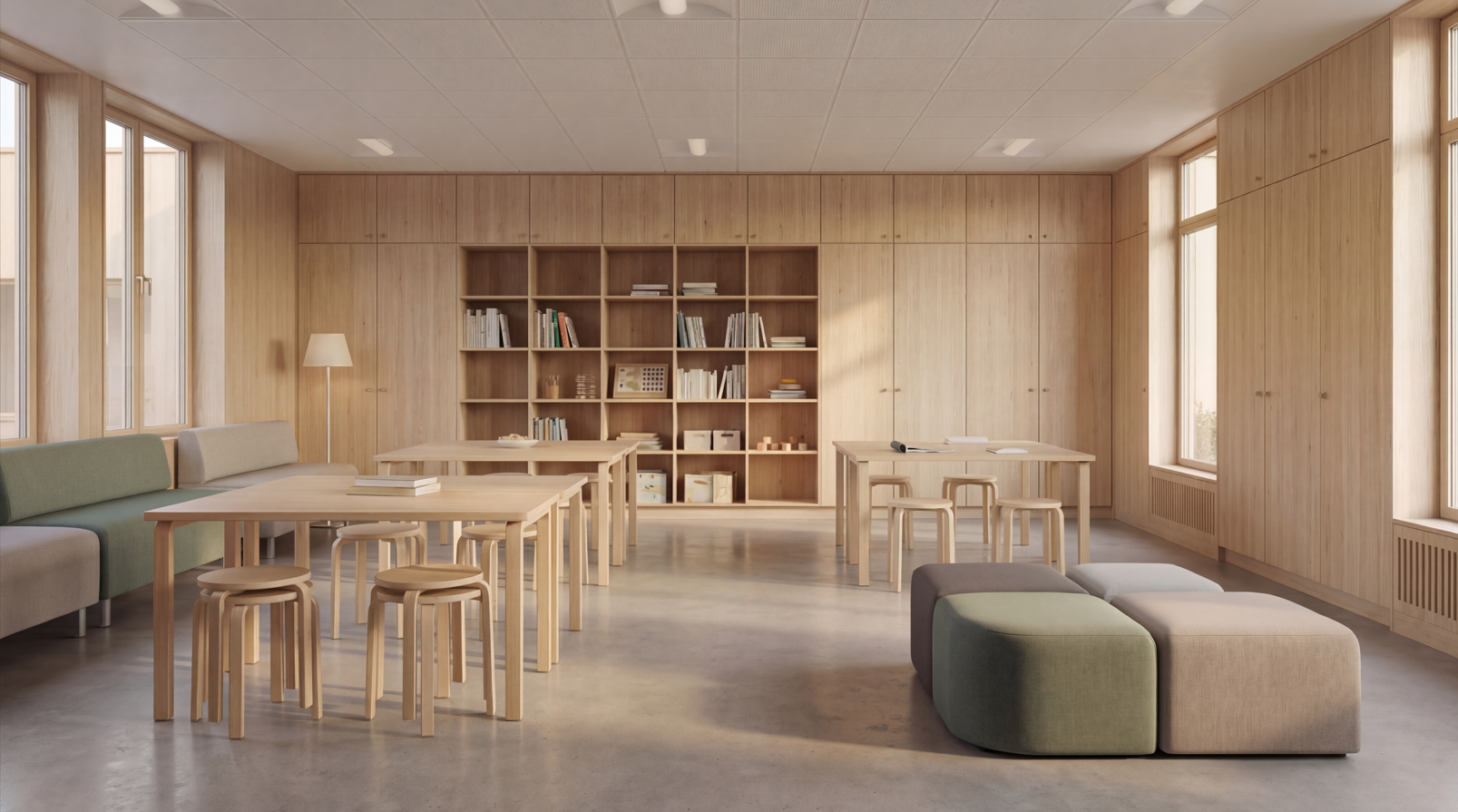
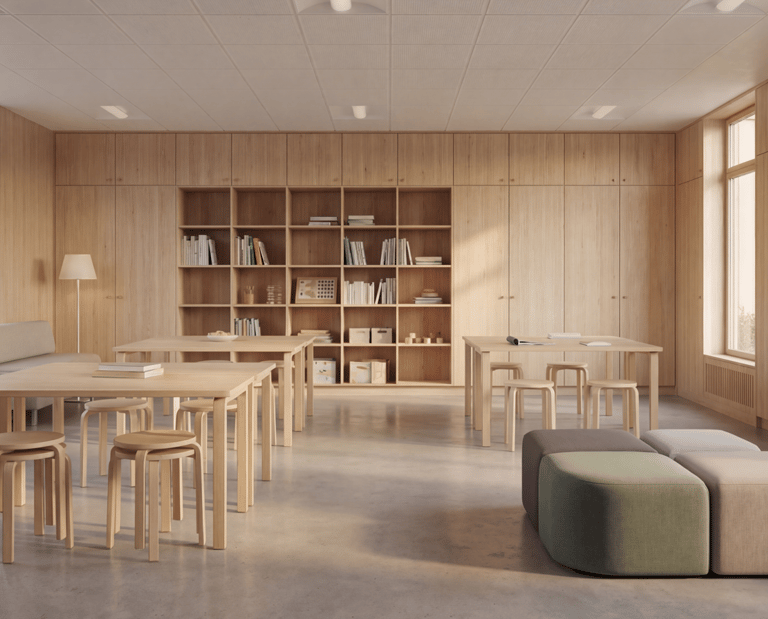
Vättern school is a newly constructed F–9 school with a sports hall and after‑school facilities. The commission included space planning, furnishing principles, and interior design for learning environments, the library, and the dining hall.
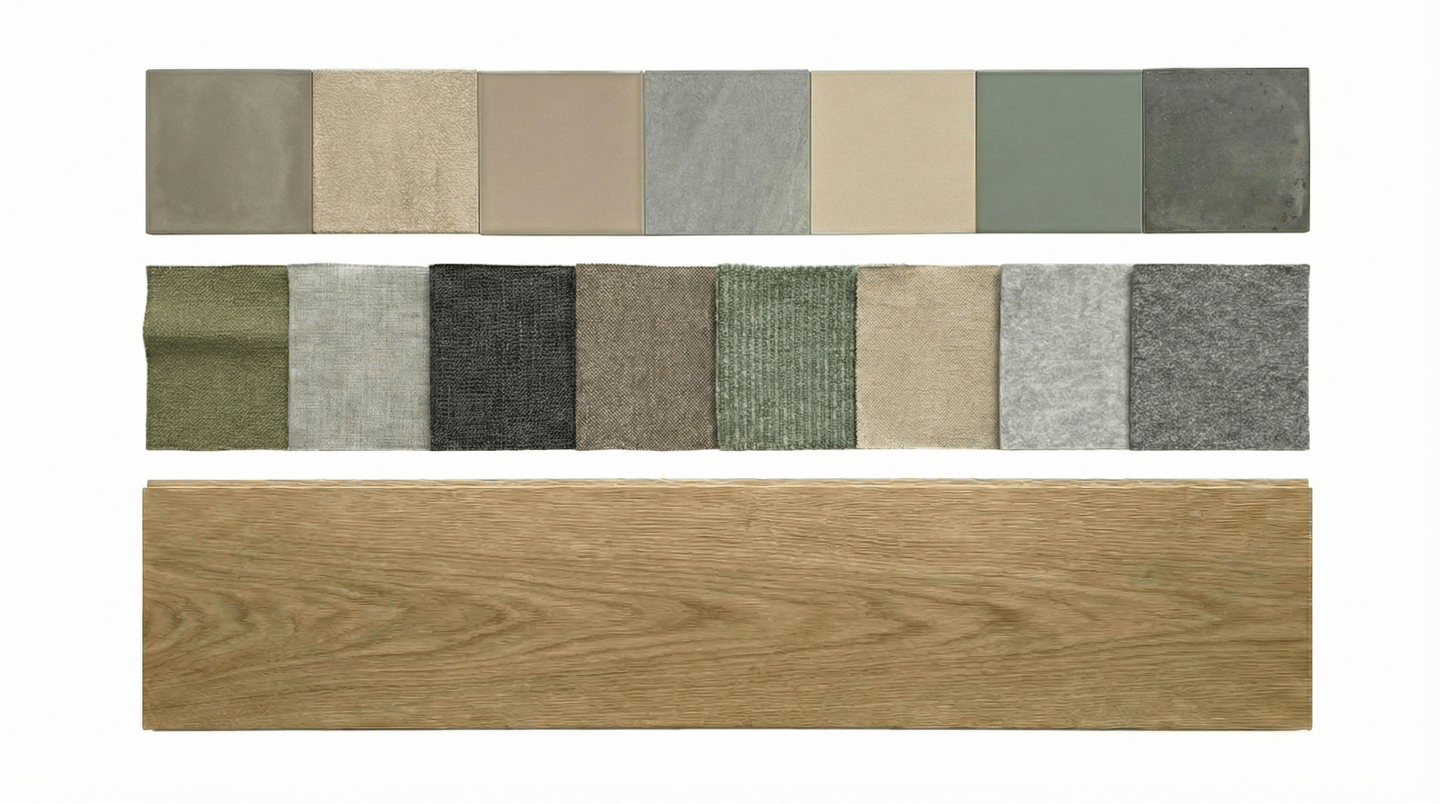
The work was informed by current pedagogical research, with a focus on functional, flexible, and inclusive environments. Particular care was given to colour schemes and material selection in order to create calm and secure spaces, also adapted for children with neuropsychiatric disabilities. The design concept was rooted in the surrounding landscape, where the area’s mature oak trees inspired the choice of materials, colours, and overall tonal quality.
The project demonstrates how well-considered interior architecture can contribute to sustainable and long‑term learning environments, where pedagogy, accessibility, and spatial quality work together.
(The project was initiated during employment at Norconsult and later continued under Temple of Things.)